As a property owner, safeguarding your investment and the people within it is a primary concern. The National Fire Protection Association (NFPA) sets the essential standards that form the backbone of modern fire safety, and understanding codes like NFPA 13, 13R, and 13D is crucial for ensuring effective fire protection systems. At Kobobel Fire Protection, we believe in empowering our community with knowledge to make informed decisions about their safety infrastructure. This guide will walk you through these vital regulations, emphasizing their importance for both commercial and residential properties throughout Colorado and Wyoming.

The Foundation of Fire Safety: What are NFPA Standards?
The National Fire Protection Association (NFPA) is a global non-profit organization dedicated to eliminating death, injury, property, and economic loss due to fire, electrical, and related hazards. They achieve this by developing and publishing over 300 consensus codes and standards, which are widely adopted by jurisdictions and utilized by professionals worldwide. These standards are not mere suggestions; they are comprehensive guides based on extensive research, engineering principles, and real-world fire incident data. Adhering to these standards ensures that fire protection systems are designed, installed, and maintained to provide the highest level of safety and reliability, protecting lives and minimizing property damage.
NFPA 13: The Gold Standard for Comprehensive Protection
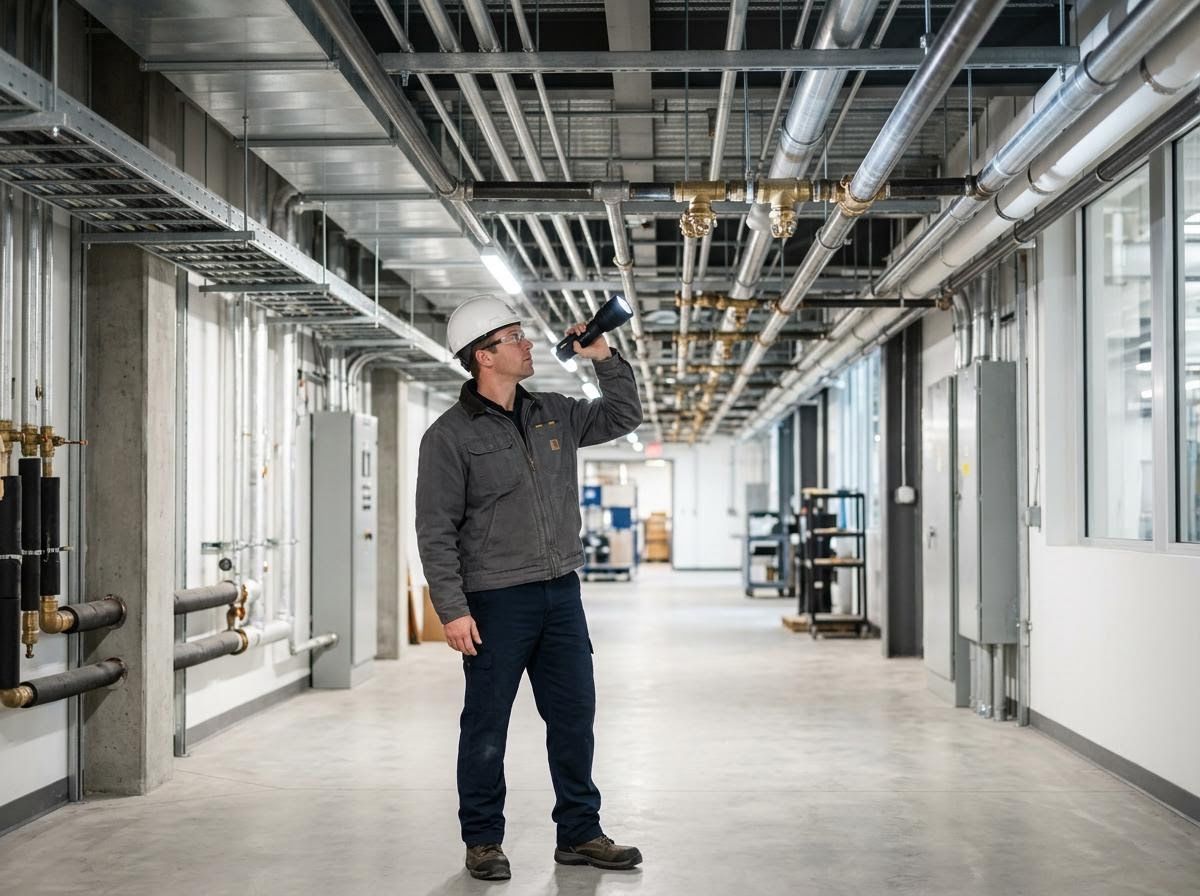
NFPA 13, "Standard for the Installation of Sprinkler Systems," is the most comprehensive and widely adopted standard for automatic fire sprinkler systems. This code is typically applied in large commercial, industrial, and institutional buildings such as warehouses, factories, office buildings, retail spaces, and healthcare facilities. It covers every aspect of a sprinkler system, from water supply requirements and pipe sizing to sprinkler head placement and system design. For commercial business owners, understanding that their commercial fire sprinkler installation adheres to NFPA 13 means their property has a robust, professionally engineered defense against fire, crucial for business continuity and occupant safety. This standard's rigorous requirements ensure that fire protection systems are tailored to the specific hazards and occupancy types of complex structures.
Tailored Residential Safety: NFPA 13R and NFPA 13D
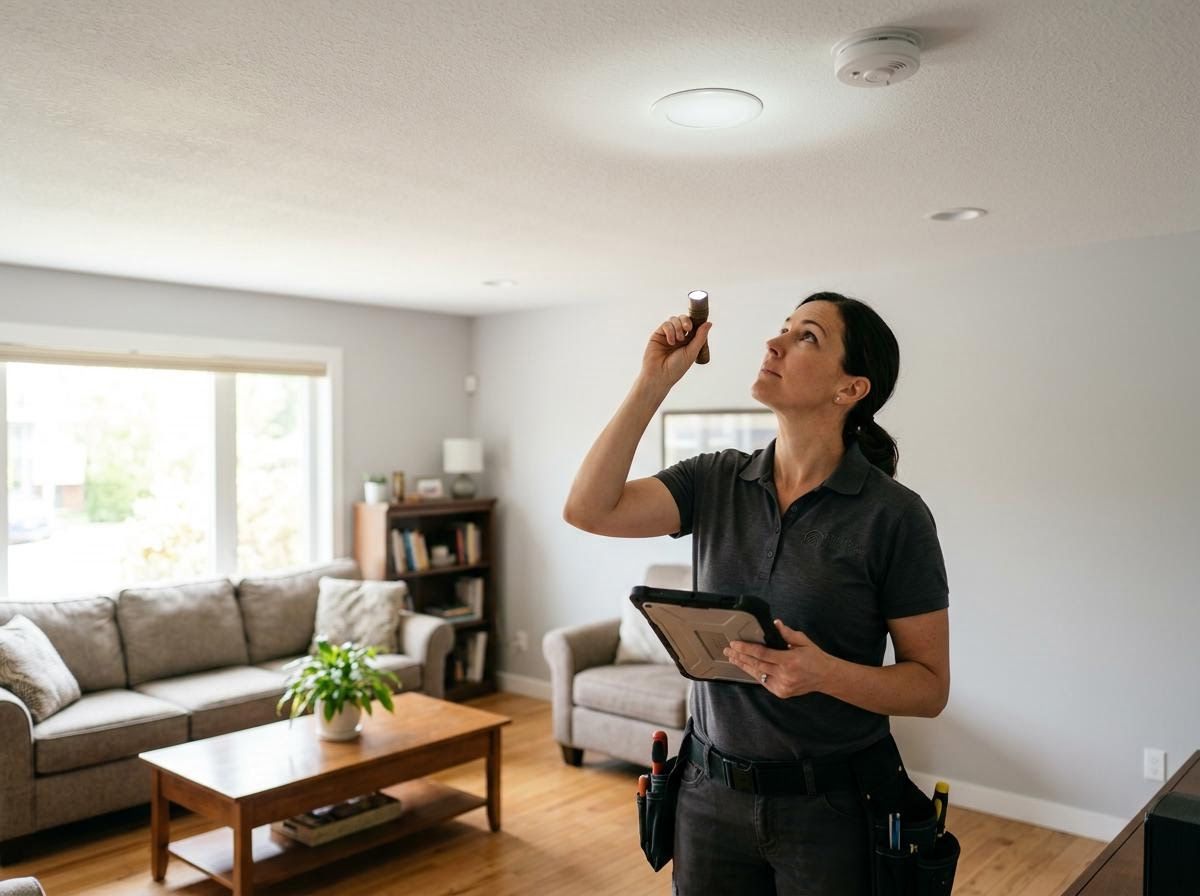
While NFPA 13 provides broad coverage, the residential sector benefits from more specialized, streamlined standards designed to balance safety with cost-effectiveness for homes. NFPA 13R, "Standard for the Installation of Sprinkler Systems in Residential Occupancies up to and Including Four Stories in Height," applies to multi-family dwellings like apartments, condominiums, and townhomes. It offers a slightly reduced level of protection compared to NFPA 13, recognizing the different occupancy characteristics and egress options in these buildings while still providing significant safety enhancements. For homeowners in single-family residences or manufactured homes, NFPA 13D, "Standard for the Installation of Sprinkler Systems in One- and Two-Family Dwellings and Manufactured Homes," offers the most simplified approach. This standard focuses on life safety, ensuring that residents have enough time to escape a burning home by suppressing the fire's growth. Both 13R and 13D are vital for home fire protection, offering peace of mind to families.
The Role of Expert Installation and Ongoing Vigilance
Understanding these NFPA standards is just the first step; proper implementation and maintenance are equally critical. Installing fire protection systems according to these codes requires specialized knowledge and expertise. Engaging a qualified fire sprinkler contractor in Northern Colorado or a professional experienced with fire suppression systems in Wyoming ensures that your system meets all local regulations and NFPA requirements. Furthermore, regular fire safety inspection services and maintenance are essential to guarantee your system remains in optimal working condition. Over time, components can degrade, or building modifications might necessitate system adjustments. A reliable contractor will perform routine checks, testing, and necessary repairs, confirming your system is always ready to protect.

Conclusion
Understanding NFPA 13, 13R, and 13D is a fundamental step for any property owner committed to safety. These standards, meticulously developed and continually updated, ensure that your fire protection systems are not just present, but truly effective in mitigating fire risks. Whether you own a sprawling commercial complex or a cozy family home, compliance with these codes means investing in proven, reliable safety measures. For professional guidance on navigating these intricate codes, or for expert installation and maintenance services, Kobobel Fire Protection is here to serve your family and your business. We invite you to learn more about safeguarding your property by reaching out to our experienced team for a consultation.